FOR STUDENTS · ILLUSTRATED CHARACTER GUIDE
Who’s who in Martín Fierro
A fugitive gaucho, a loyal friend, two sons trying to make sense of their losses, an irreverent guardian, and voices often pushed to the margins. Explore these eleven characters through their stories, original Spanish verses, and links to the canto-by-canto lessons. The portraits are digital recreations, not historical photographs.
New to gaucho vocabulary? Read the English glossary of regional words and character names, including what Picardía means.
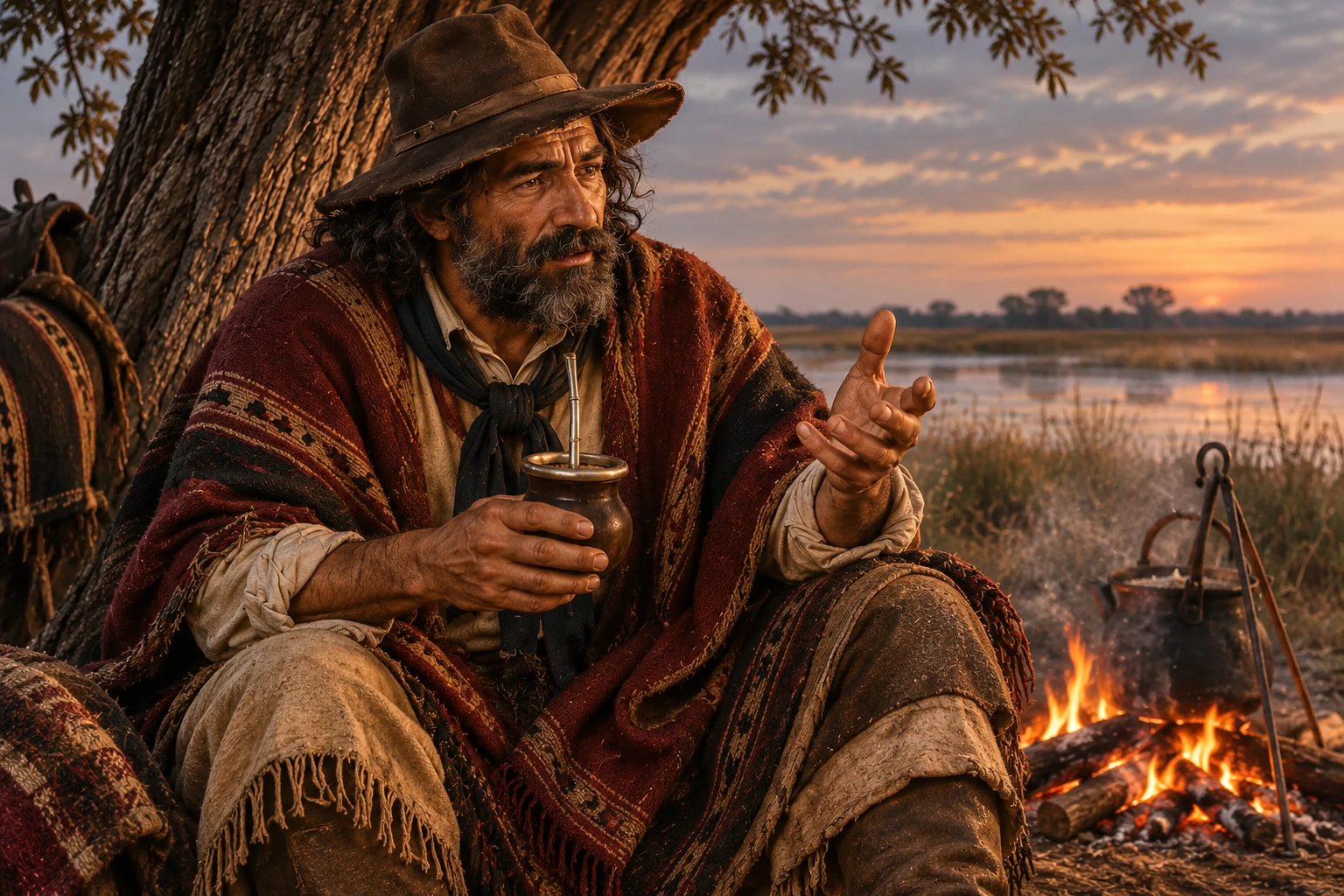
The singer, protagonist and narrator
Martín Fierro
A rural horseman whose family life collapses after forced frontier service. His song tells of injustice, violence, flight, friendship and eventual reunion.
Begin with the contrast between the free rural life Fierro remembers and the injustice he describes after his recruitment. His first-person singing makes his suffering immediate, but it also means readers must ask what he leaves out. In Part Two he listens to other people's stories and offers advice, making his changing role a useful topic for discussion.
Reading critically: Fierro is not José Hernández speaking without a filter. His grievances matter, but his attempts to justify violence must also be scrutinized.
FROM THE ORIGINAL POEM · PART ONE · CANTO 1 · STANZA 1
Aquí me pongo a cantarAl compás de la vigüela,Que el hombre que lo desvelaUna pena estraordinariaComo la ave solitariaCon el cantar se consuela.Explore the original Spanish text: Part One · Canto 1Part One · Canto 3Part Two · Canto 1Part Two · Canto 32
Continue with the English lessons: Part One · Canto 1Part One · Canto 3Part Two · Canto 1Part Two · Canto 32
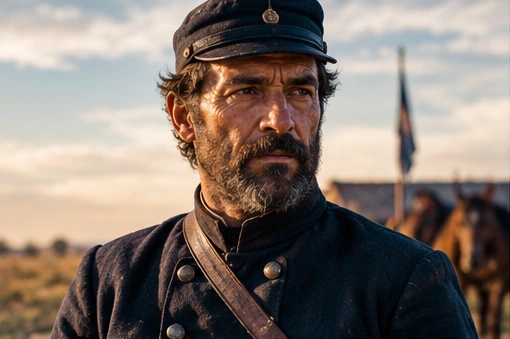
The sergeant who chooses friendship
Sargento Cruz
Initially part of the group sent after Fierro, Cruz changes sides and joins him. Their solidarity becomes one of the pivotal relationships in the poem.
Cruz first appears as an armed representative of authority, then risks his position to defend the man he was sent to arrest. He becomes a storyteller in his own right and later a companion in exile. His death in the sequel matters not just as a plot event but because it transforms Fierro's account of loyalty, grief, and responsibility.
Reading critically: Cruz’s choice raises a question of loyalty: what happens when following orders conflicts with a personal sense of justice?
FROM THE ORIGINAL POEM · PART ONE · CANTO 9 · STANZA 280
Tal vez en el corazónle tocó un santo benditoa un gaucho, que pegó el gritoy dijo: ¡Cruz no consienteque se cometa el delitode matar a un valiente!Explore the original Spanish text: Part One · Canto 9Part One · Canto 10Part One · Canto 12Part Two · Canto 6Part Two · Canto 7
Continue with the English lessons: Part One · Canto 9Part One · Canto 10Part One · Canto 12Part Two · Canto 6Part Two · Canto 7
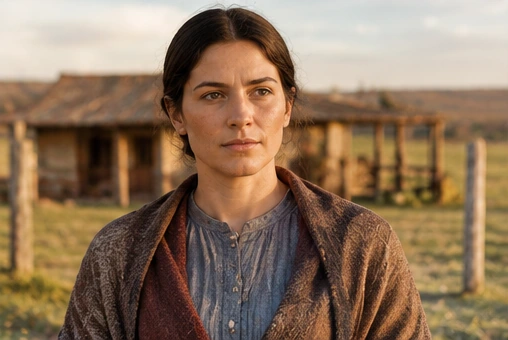
Fierro’s wife and the lost home
La esposa de Martín Fierro
A central presence in the family life Fierro loses after conscription. News of her death reaches him later, largely through accounts told by others.
She is essential to understanding what forced service destroys: a household, a marriage, and the children's security. Yet nearly everything students learn about her comes through other speakers. Ask whose story is being told, whose testimony is missing, and why a figure central to the emotional narrative is given so little direct speech.
Reading critically: The poem does not give her a separate narrative voice or a stable personal name, an absence that deserves attention.
FROM THE ORIGINAL POEM · PART ONE · CANTO 3 · STANZA 49
tuve en mi pago en un tiempohijos, hacienda y mujer,pero empecé a padecer,me echaron a la frontera,¡y qué iba a hallar al volver!Tan sólo hallé la tapera.Explore the original Spanish text: Part One · Canto 2Part One · Canto 3Part One · Canto 6Part Two · Canto 11
Continue with the English lessons: Part One · Canto 2Part One · Canto 3Part One · Canto 6Part Two · Canto 11
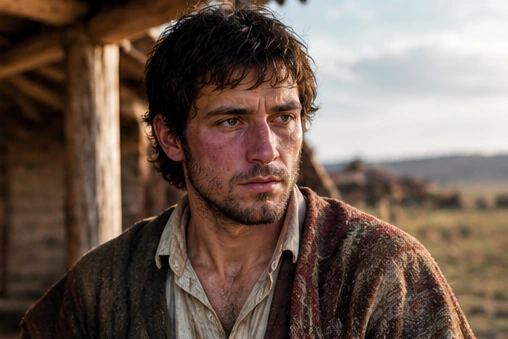
Fierro’s elder son
El hijo mayor de Fierro
One of the two sons reunited with their father in the second part. His own account broadens the family story with deprivation and mistreatment.
The elder son's testimony shows that the consequences of Fierro's disappearance outlast the original injustice. His story of isolation and confinement introduces a new speaking voice and a perspective unlike his father's. When comparing the sons, keep their separate experiences and episodes clearly distinguished.
Reading critically: His experience and voice should not be conflated with his brother’s.
FROM THE ORIGINAL POEM · PART TWO · CANTO 12 · STANZA 656
aunque el gajo se pareceal árbol de donde sale,solía decirlo mi madre,y en su razón estoy fijo:"Jamás puede hablar el hijocon la autoridad del padre".Explore the original Spanish text: Part Two · Canto 11Part Two · Canto 12Part Two · Canto 13
Continue with the English lessons: Part Two · Canto 11Part Two · Canto 12Part Two · Canto 13
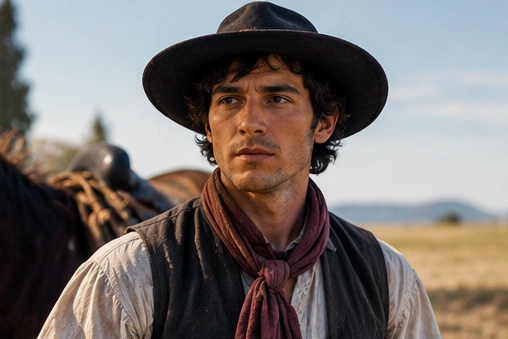
Fierro’s younger son
El hijo menor de Fierro
His story includes life under the guardianship of Don Vizcacha, whose cynical advice and unusual habits mix bleak comedy with suffering.
The younger son's account shifts between distress and dark humor as he recalls living with Vizcacha. The guardian's proverbs can sound clever in isolation, but their practical selfishness is exposed by the conditions in which the boy lives. Compare them with Fierro's later advice to identify how the poem stages competing ideas about how to survive.
Reading critically: The contrast between Vizcacha’s maxims and Fierro’s later counsel is crucial.
FROM THE ORIGINAL POEM · PART TWO · CANTO 14 · STANZA 731
me llevó consigo un viejoque pronto mostró la hilacha,dejaba ver por la fachaque era medio cimarrón,muy renegao, muy ladrón,y le llamaban Vizcacha.Explore the original Spanish text: Part Two · Canto 11Part Two · Canto 14Part Two · Canto 15Part Two · Canto 19
Continue with the English lessons: Part Two · Canto 11Part Two · Canto 14Part Two · Canto 15Part Two · Canto 19
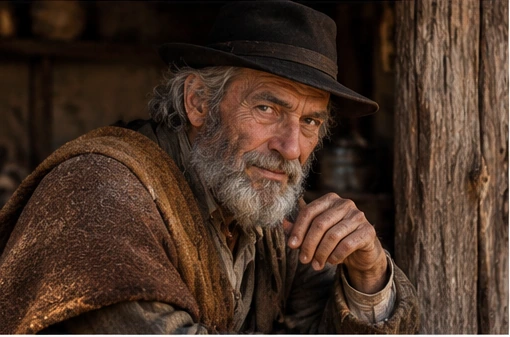
A guardian and satirical adviser
Don Vizcacha
An impoverished older man placed in charge of Fierro’s younger son. His cunning, grotesque habits and self-serving sayings are among the sequel’s memorable episodes.
Vizcacha is more than comic relief. His opportunistic sayings provide a deliberately uncomfortable lesson in distrust, self-protection, and manipulation. The young narrator's circumstances invite readers to consider the difference between remembering a memorable proverb and accepting it as ethical guidance.
Reading critically: Vizcacha’s proverbs should not automatically be treated as the poem’s moral position.
FROM THE ORIGINAL POEM · PART TWO · CANTO 15 · STANZA 758
"Hacéte amigo del juez;no le des de que quejarse;y cuando quiera enojarsevos te debés encoger,pues siempre es güeno tenerpalenque ande ir a rascarse."Explore the original Spanish text: Part Two · Canto 14Part Two · Canto 15Part Two · Canto 16Part Two · Canto 17
Continue with the English lessons: Part Two · Canto 14Part Two · Canto 15Part Two · Canto 16Part Two · Canto 17
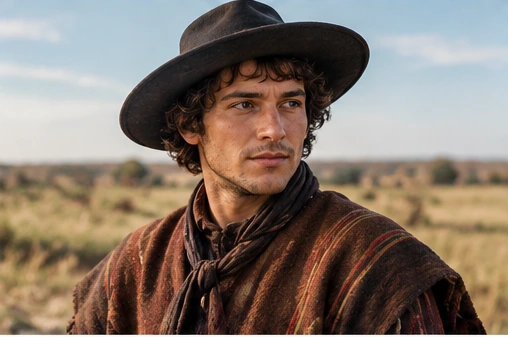
Cruz’s son and a storyteller
Picardía
A young man who recounts hardship, gambling, abuses of authority and frontier service. His testimony adds a separate perspective to the later poem.
Picardía brings Cruz's family history into the reunion and supplies a further independent narrative voice. His account of childhood difficulties, gambling, elections, recruitment, and frontier service links private misfortune to public institutions. Evaluate each episode on its own: wit and survival do not necessarily turn deception into a virtue.
Reading critically: His name suggests cleverness, but the story repeatedly exposes the costs of survival.
FROM THE ORIGINAL POEM · PART TWO · CANTO 21 · STANZA 856
-Voy a contarles mi historia(perdónenme tanta charla),y les diré al principiarla,aunque es triste hacerlo ansí:a mi madre la perdíantes de saber llorarla.Explore the original Spanish text: Part Two · Canto 20Part Two · Canto 21Part Two · Canto 22Part Two · Canto 27Part Two · Canto 28
Continue with the English lessons: Part Two · Canto 20Part Two · Canto 21Part Two · Canto 22Part Two · Canto 27Part Two · Canto 28
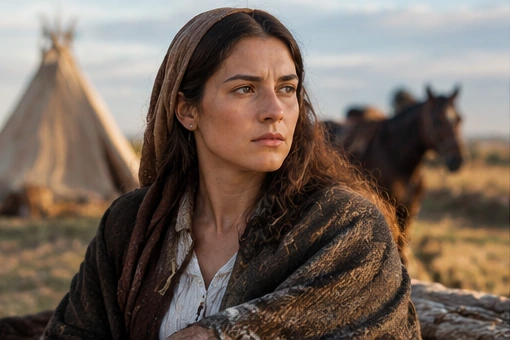
The captive woman
La cautiva
Her suffering in captivity and Fierro’s intervention are narrated through his perspective in the second part.
The captive woman's story includes suffering, resistance, and a dangerous escape, but it is filtered through Fierro's narration. A careful student can distinguish the actions the text describes from the language used to characterize Indigenous people. Discuss the woman's limited opportunity to speak for herself without reducing her to a mere symbol.
Reading critically: She remains unnamed; the passage requires a critical reading of gender and of period portrayals of Indigenous peoples.
FROM THE ORIGINAL POEM · PART TWO · CANTO 8 · STANZA 565
Mas tarde supe por ella,de manera positiva,que dentró una comitivade pampas a su partido,mataron a su maridoy la llevaron cautiva.Explore the original Spanish text: Part Two · Canto 7Part Two · Canto 8Part Two · Canto 9Part Two · Canto 10
Continue with the English lessons: Part Two · Canto 7Part Two · Canto 8Part Two · Canto 9Part Two · Canto 10
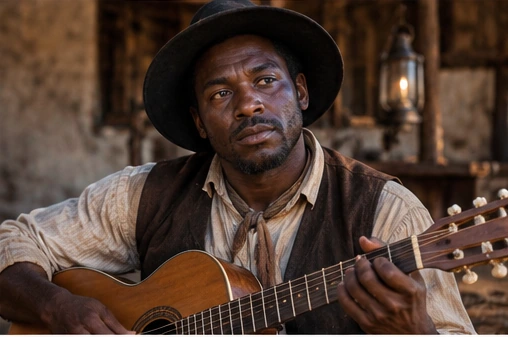
The Afro-Argentine singer in the payada
El Moreno de la payada
An Afro-descendant singer challenges Fierro in a poetic contest of questions and answers, reviving the memory of an earlier death.
The singer confronts Fierro through an art form rather than by immediately repeating the earlier violence. Their questions about knowledge, justice, and human experience make the payada a major intellectual scene. His family connection to the earlier killing must be read carefully: he is a different person from the victim.
Reading critically: He is not the same man whom Fierro killed in the first part; nor should one literary voice stand for an entire population.
FROM THE ORIGINAL POEM · PART TWO · CANTO 29 · STANZA 1038
Esto contó Picardíay después guardó silencio,mientras todos celebrabancon placer aquel encuentro.Mas una casualidá,como que nunca anda lejos,Explore the original Spanish text: Part Two · Canto 29Part Two · Canto 30
Continue with the English lessons: Part Two · Canto 29Part Two · Canto 30
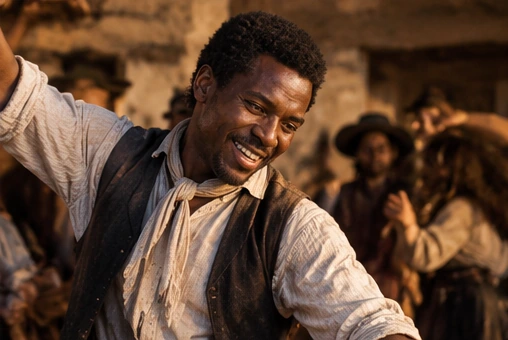
The man killed in a pulpería
El hombre muerto en la pulpería
An Afro-descendant man dies in a fight with Fierro. The narrator’s account includes racial insults, provocation and violence.
This character matters even though he is not allowed to narrate his own experience. Fierro's insults and account of the killing demand critical attention rather than automatic acceptance of his self-defense. Reading his death alongside the later payada reveals how violence and its consequences can reappear across both parts.
Reading critically: The narrator’s version of this killing is not an acquittal, and this victim must not be confused with the later singer.
FROM THE ORIGINAL POEM · PART ONE · CANTO 7 · STANZA 194
Como nunca, en la ocasiónpor peliar me dio la tranca.Y la emprendí con un negroque trujo una negra en ancas.Explore the original Spanish text: Part One · Canto 7Part Two · Canto 11Part Two · Canto 29
Continue with the English lessons: Part One · Canto 7Part Two · Canto 11Part Two · Canto 29
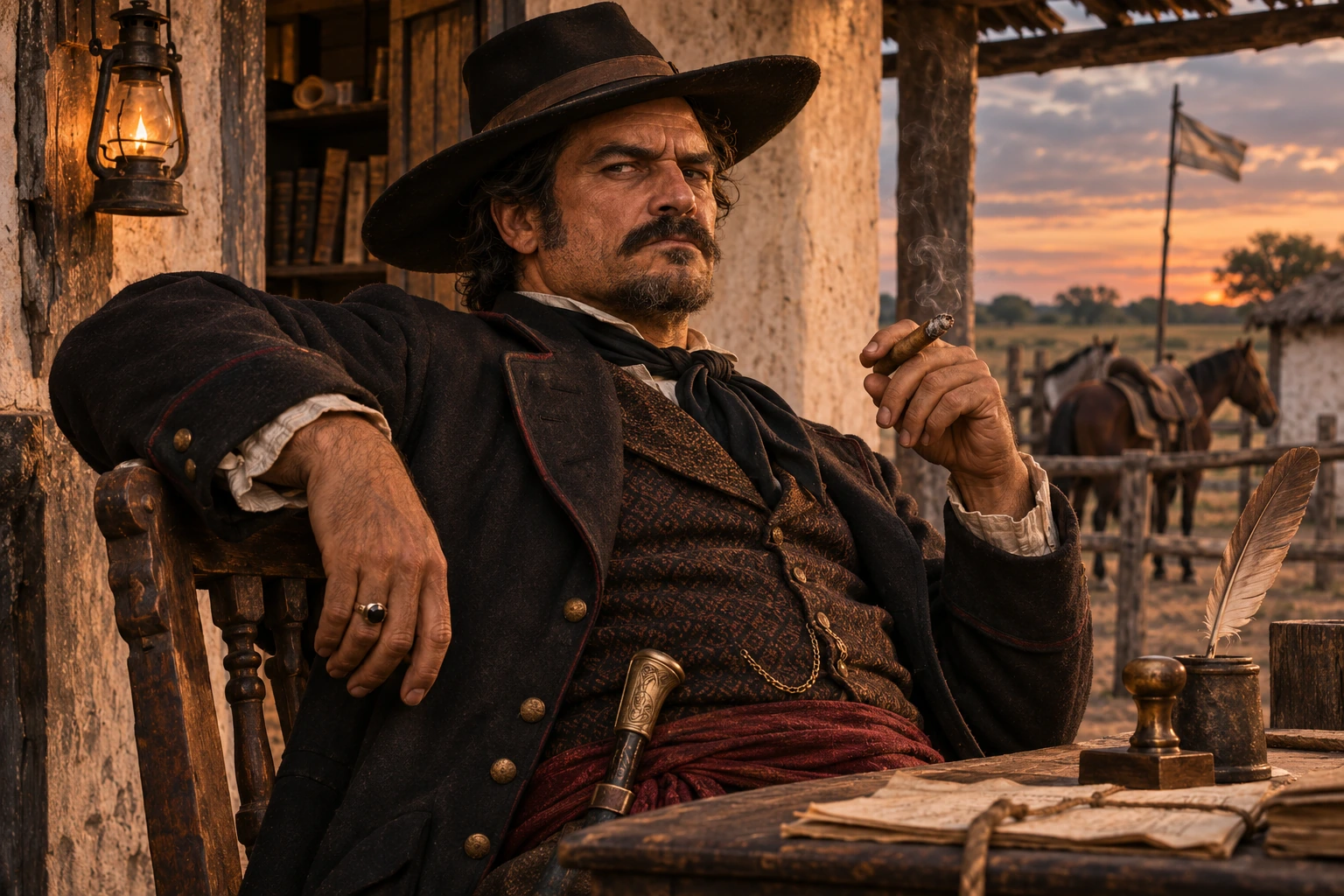
The justice of the peace
El juez de paz
A figure of local authority in Fierro’s account of conscription and persecution. His office recalls actual institutions but is part of the poem’s fiction.
The justice of the peace embodies the local power Fierro blames for recruitment and persecution. The position has a real historical context, but the poem's particular figure remains fictional. Students should separate the narrator's charges, the role of the institution, and any independent historical claims.
Reading critically: There is no basis for assigning the fictional judge a specific historical identity.
FROM THE ORIGINAL POEM · PART ONE · CANTO 3 · STANZA 58
A mí el juez me tomó entre ojosen la ultima votación:me le había hecho el remolóny no me arrimé ese día,y él dijo que yo servíaa los de la esposición.Explore the original Spanish text: Part One · Canto 3Part One · Canto 6Part Two · Canto 11
Continue with the English lessons: Part One · Canto 3Part One · Canto 6Part Two · Canto 11
How to use this character guide
These eleven profiles follow the Spanish character index, reuse its pictures, and quote short passages directly from the structured Spanish corpus. Each also links to the relevant English lessons. These are interpretive summaries, not quotations or new English translations of Hernández’s verses. The figure of a gaucho in literature should not be mistaken for the full variety of historical rural experience.
Use the complete 46-canto student index to follow the story in order. For broader context, read the English introduction to the poem, our guide to gaucho history, and the biography of José Hernández.
Editorial source: Character identities and canto references are mapped to the project’s structured Spanish corpus and Spanish research index. The 46 cantos and 7,210 Spanish verses remain unchanged.