READING COMPANION · CHARACTERS
The characters of Martín Fierro
A fugitive gaucho, a loyal friend, two sons trying to make sense of their losses, an irreverent guardian, and voices often pushed to the margins. Explore the people who give José Hernández’s poem its moral complexity.
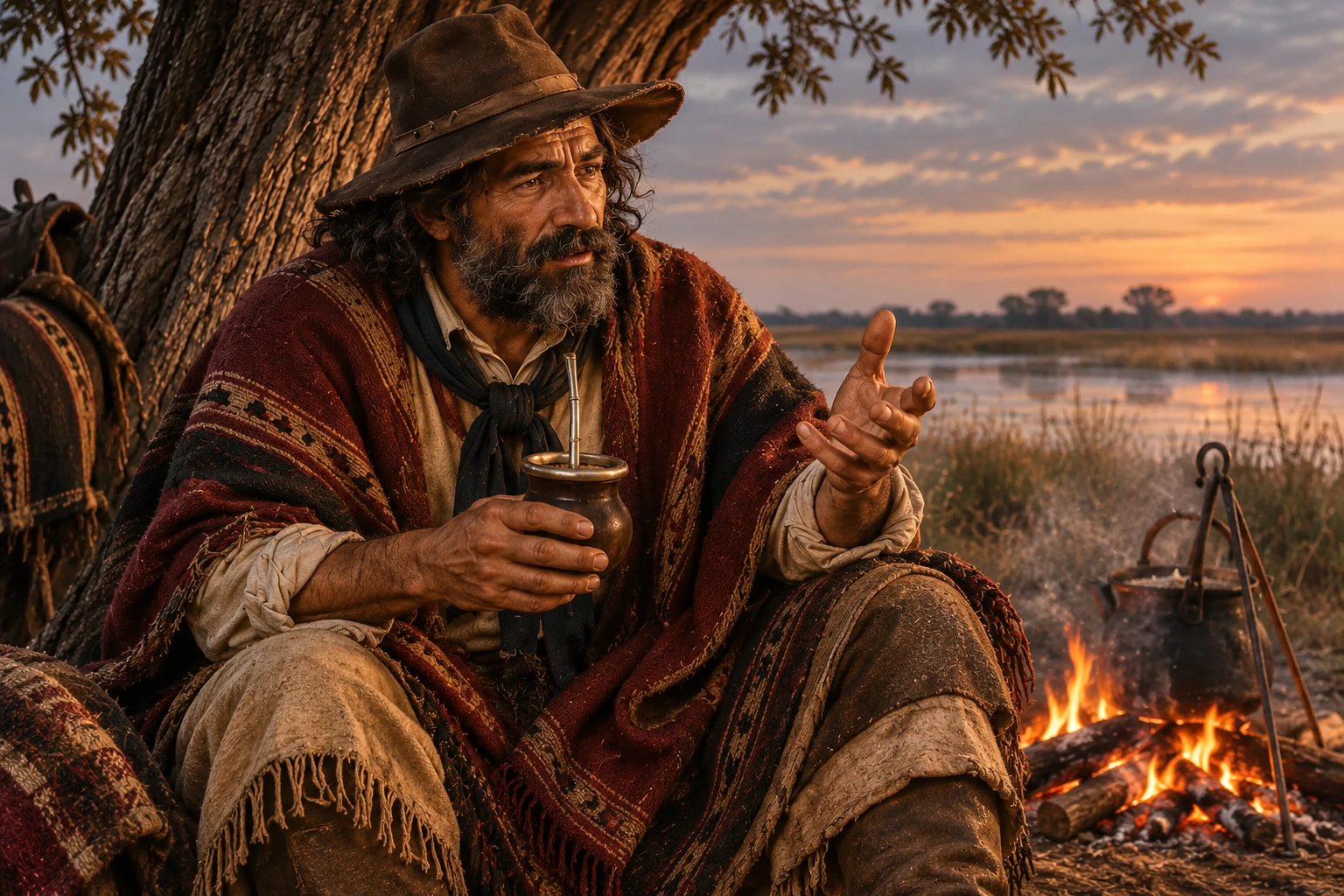
The singer, protagonist and narrator
Martín Fierro
A rural horseman whose family life collapses after forced frontier service. His song tells of injustice, violence, flight, friendship and eventual reunion.
Reading critically: Fierro is not José Hernández speaking without a filter. His grievances matter, but his attempts to justify violence must also be scrutinized.
Explore the original Spanish text: Part One · Canto 1Part One · Canto 3Part Two · Canto 1Part Two · Canto 32
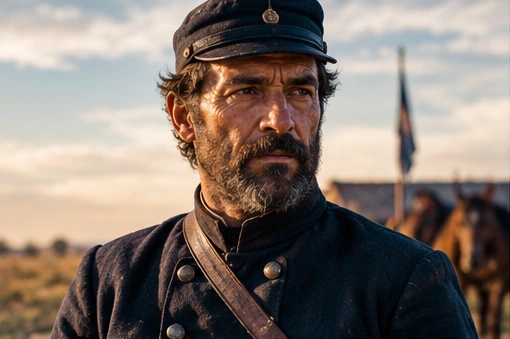
The sergeant who chooses friendship
Sargento Cruz
Initially part of the group sent after Fierro, Cruz changes sides and joins him. Their solidarity becomes one of the pivotal relationships in the poem.
Reading critically: Cruz’s choice raises a question of loyalty: what happens when following orders conflicts with a personal sense of justice?
Explore the original Spanish text: Part One · Canto 9Part One · Canto 10Part One · Canto 12Part Two · Canto 6Part Two · Canto 7
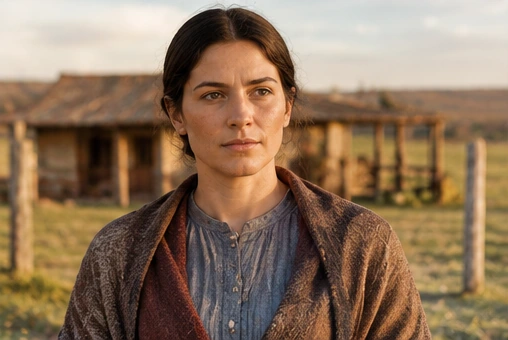
Fierro’s wife and the lost home
La esposa de Martín Fierro
A central presence in the family life Fierro loses after conscription. News of her death reaches him later, largely through accounts told by others.
Reading critically: The poem does not give her a separate narrative voice or a stable personal name, an absence that deserves attention.
Explore the original Spanish text: Part One · Canto 2Part One · Canto 3Part One · Canto 6Part Two · Canto 11
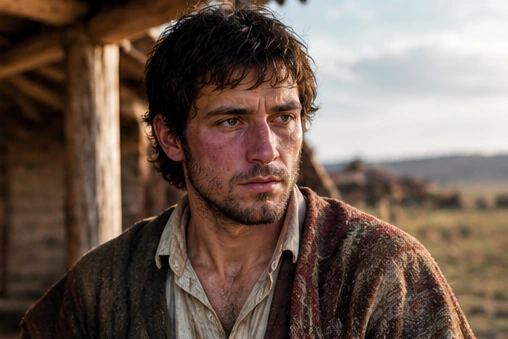
Fierro’s elder son
El hijo mayor de Fierro
One of the two sons reunited with their father in the second part. His own account broadens the family story with deprivation and mistreatment.
Reading critically: His experience and voice should not be conflated with his brother’s.
Explore the original Spanish text: Part Two · Canto 11Part Two · Canto 12Part Two · Canto 13
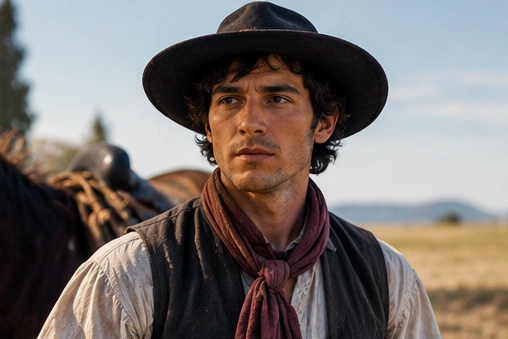
Fierro’s younger son
El hijo menor de Fierro
His story includes life under the guardianship of Don Vizcacha, whose cynical advice and unusual habits mix bleak comedy with suffering.
Reading critically: The contrast between Vizcacha’s maxims and Fierro’s later counsel is crucial.
Explore the original Spanish text: Part Two · Canto 11Part Two · Canto 14Part Two · Canto 15Part Two · Canto 19
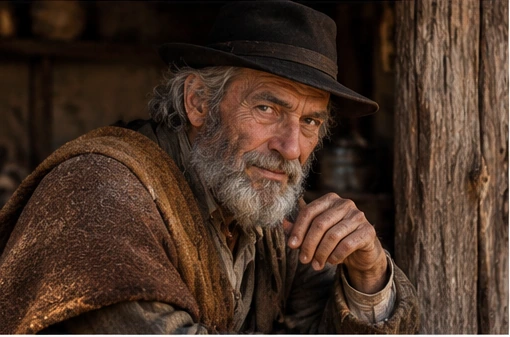
A guardian and satirical adviser
Don Vizcacha
An impoverished older man placed in charge of Fierro’s younger son. His cunning, grotesque habits and self-serving sayings are among the sequel’s memorable episodes.
Reading critically: Vizcacha’s proverbs should not automatically be treated as the poem’s moral position.
Explore the original Spanish text: Part Two · Canto 14Part Two · Canto 15Part Two · Canto 16Part Two · Canto 17
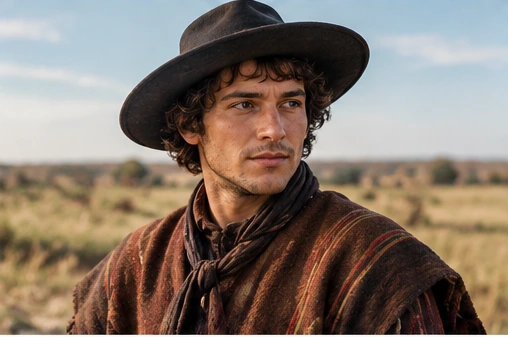
Cruz’s son and a storyteller
Picardía
A young man who recounts hardship, gambling, abuses of authority and frontier service. His testimony adds a separate perspective to the later poem.
Reading critically: His name suggests cleverness, but the story repeatedly exposes the costs of survival.
Explore the original Spanish text: Part Two · Canto 20Part Two · Canto 21Part Two · Canto 22Part Two · Canto 27Part Two · Canto 28
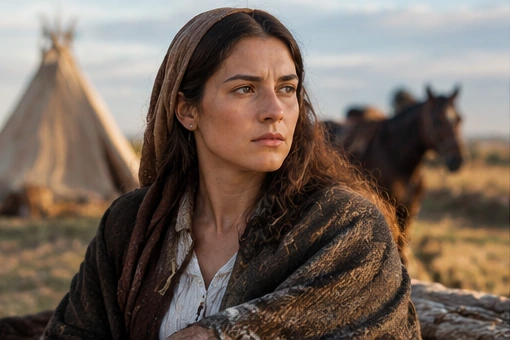
The captive woman
La cautiva
Her suffering in captivity and Fierro’s intervention are narrated through his perspective in the second part.
Reading critically: She remains unnamed; the passage requires a critical reading of gender and of period portrayals of Indigenous peoples.
Explore the original Spanish text: Part Two · Canto 7Part Two · Canto 8Part Two · Canto 9Part Two · Canto 10
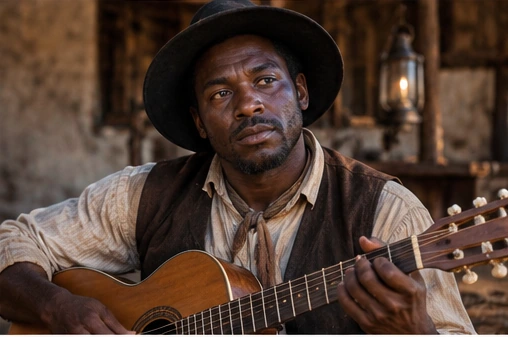
The Afro-Argentine singer in the payada
El Moreno de la payada
An Afro-descendant singer challenges Fierro in a poetic contest of questions and answers, reviving the memory of an earlier death.
Reading critically: He is not the same man whom Fierro killed in the first part; nor should one literary voice stand for an entire population.
Explore the original Spanish text: Part Two · Canto 29Part Two · Canto 30
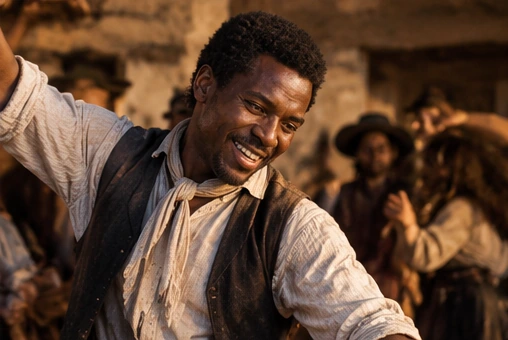
The man killed in a pulpería
El hombre muerto en la pulpería
An Afro-descendant man dies in a fight with Fierro. The narrator’s account includes racial insults, provocation and violence.
Reading critically: The narrator’s version of this killing is not an acquittal, and this victim must not be confused with the later singer.
Explore the original Spanish text: Part One · Canto 7Part Two · Canto 11Part Two · Canto 29
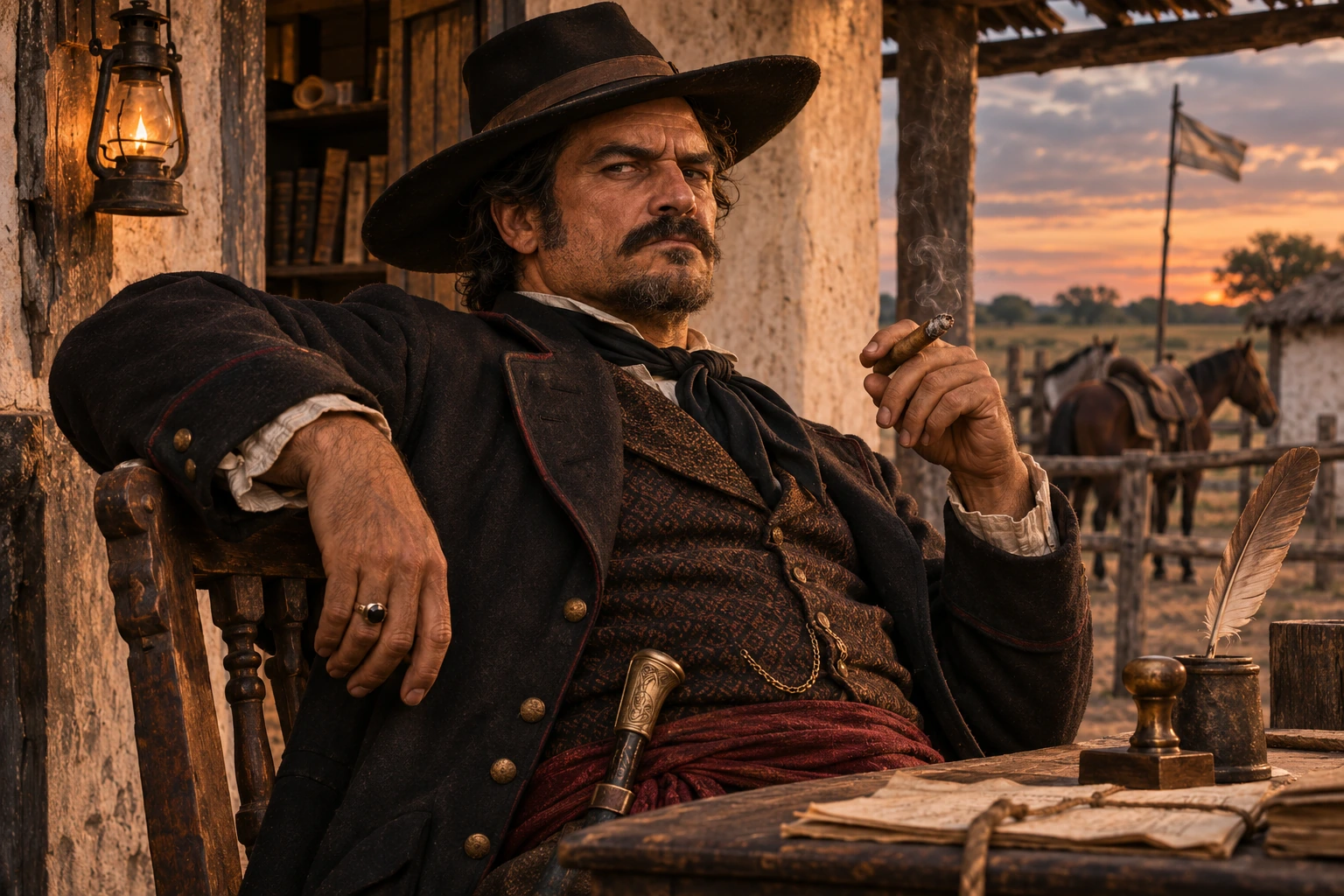
The justice of the peace
El juez de paz
A figure of local authority in Fierro’s account of conscription and persecution. His office recalls actual institutions but is part of the poem’s fiction.
Reading critically: There is no basis for assigning the fictional judge a specific historical identity.
Explore the original Spanish text: Part One · Canto 3Part One · Canto 6Part Two · Canto 11
How to use this character guide
The profiles explain the fictional roles of eleven characters and link to specific cantos in the original Spanish poem. These are interpretive summaries, not quotations or new English translations of Hernández’s verses. The figure of a gaucho in literature should not be mistaken for the full variety of historical rural experience.
For broader context, read the English introduction to the poem, our guide to gaucho history, and the biography of José Hernández.
Editorial source: Character identities and canto references are mapped to the project’s structured Spanish corpus and Spanish research index. The 46 cantos and 7,210 Spanish verses remain unchanged.